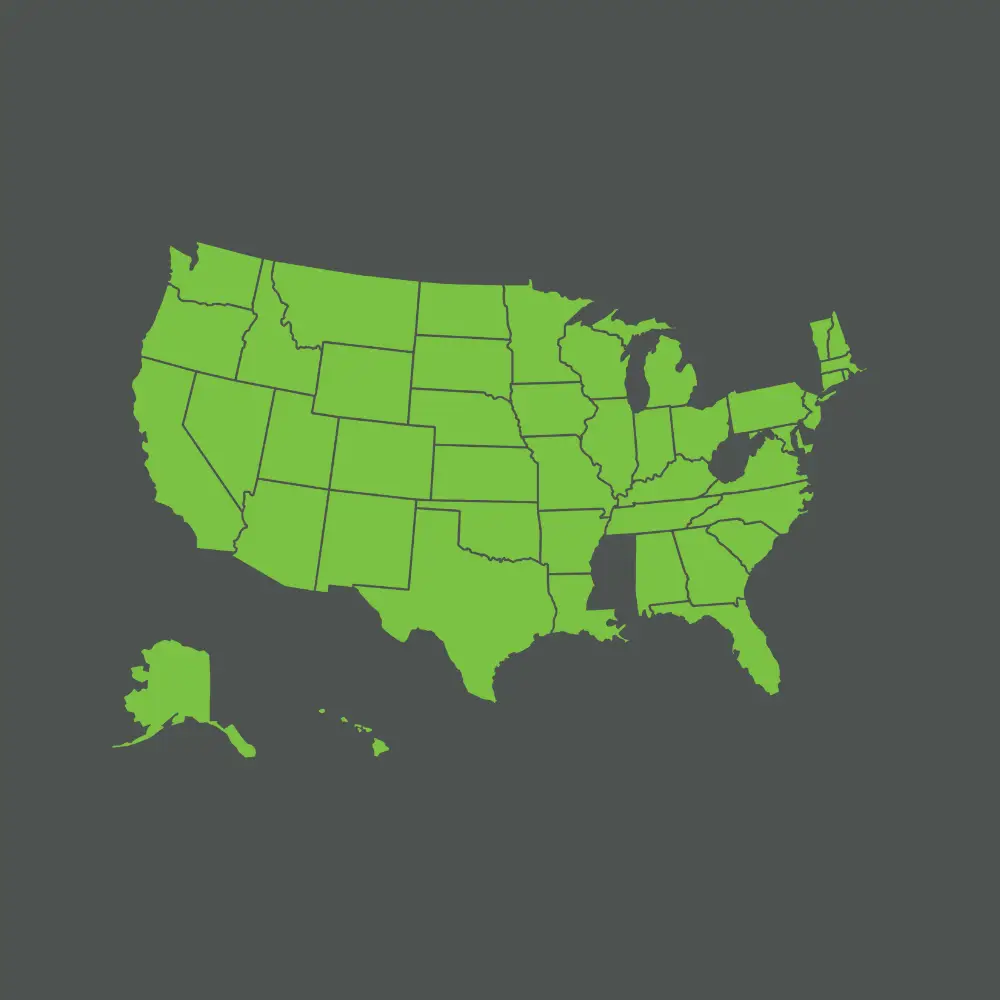
I’m Mike Wright. I help borrowers in AZ, CA, FL, ID, TN, and WY compare mortgage options, costs, and next steps. Start with a conversation, or open the separate secure application when you’re ready.
Discover why clients choose The Wright Loans for their mortgage needs.
Your Path to Homeownership Starts Here
Start with the loan types most relevant to your goal. Each guide explains how the option works, what to compare, and what information to prepare before you talk with Mike.
A flexible option for primary homes, second homes, and some investment properties. Compare cash to close, mortgage insurance, payment structure, and total cost with other eligible programs.
A government-insured option that may suit buyers who need a different qualification path. Review mortgage insurance, property requirements, cash to close, and how the payment compares with conventional financing.
For eligible service members, veterans, and certain surviving spouses. Review entitlement, the funding fee, appraisal requirements, cash to close, and whether a down payment is needed for your transaction.
Financing above the applicable conforming loan limit. Compare reserve, appraisal, documentation, and loan-structure requirements, which can vary by lender and property.
Standard and alternative documentation may be available for business owners and independent earners. Compare how each option calculates income, treats expenses, and affects cash to close and total cost.
Alternative mortgage programs for scenarios that do not fit Qualified Mortgage standards. Documentation, reserves, pricing, prepayment terms, and property rules vary, so compare the full structure carefully.
An alternative-documentation option that may use eligible deposit history to evaluate income. Review the statement period, excluded deposits, business-expense method, reserves, and cost before choosing it.
Purchase or refinance an investment property using borrower-income or property-cash-flow options. Compare rent assumptions, reserves, down payment, prepayment terms, and total cost.
Some programs accept an ITIN or documentation for eligible foreign-national borrowers. Identity, residency, income, asset, occupancy, and reserve requirements vary by program.
Replace an existing mortgage to change its rate, term, or structure. Compare fees, break-even timing, the new payment, and total interest—not the payment alone.
Replace the current first mortgage with a larger loan and receive eligible proceeds after liens and costs are paid. Review the new rate, payment, term, remaining equity, and total cost.
Financing may combine eligible acquisition or refinance costs with approved improvements. Review contractor, budget, draw, inspection, appraisal, contingency, and timing requirements before relying on the structure.
For eligible primary residences, locations, and households. Some qualified borrowers may receive 100% financing, but guarantee fees, closing costs, property rules, and income limits still apply.
Loan and assistance programs may reduce upfront cash for eligible buyers. Compare repayment terms, income or location limits, payment, fees, restrictions, and the cost with and without assistance.
An option for eligible older homeowners that converts home equity into loan proceeds. The balance can grow, property charges remain due, and repayment events and counseling requirements should be understood first.
I’m Mike Wright, Vice President/Mortgage with The Turnkey Foundation Inc. DBA Arbor Financial Group. I help borrowers in AZ, CA, FL, ID, TN, and WY compare mortgage options and understand the next steps. My goal is straightforward: explain the numbers, tradeoffs, and process clearly.
Start with your property state, goal, timing, documentation, available funds, and priorities. Mike will use that context to discuss which available paths may fit.
Mike starts with the property, goal, income documentation, available funds, timing, and priorities before comparing eligible paths.
Review payment, cash to close, fees, loan structure, and long-term cost using the same scenario—not an advertised rate in isolation.
Mike works with borrowers in Arizona, California, Florida, Idaho, Tennessee, and Wyoming. Property location determines where he can assist.
Questions and website inquiries go directly to Mike. A general inquiry starts a conversation and is not an application, approval, rate lock, or commitment to lend.
Tell Mike whether you plan to buy, refinance, use home equity, or finance an investment property. The contact form starts a conversation; the secure application is a separate step.
Mike Wright helps borrowers compare costs, income requirements and next steps. These answers explain which numbers matter before choosing a purchase or refinance loan.
Compare the same loan amount, term and lock period, then review rate, APR, points, fees and total payment. Include cash to close and the balance at a common future date. A lower rate is not a complete comparison if it requires more cash upfront.
Underwriting assesses the amount supported by the program’s rules. Your personal budget also needs savings, maintenance and expenses not captured by a debt ratio. Include taxes, insurance, association dues and mortgage insurance rather than treating principal and interest as the full housing cost.
Have the property location, intended use, income sources, current debts and approximate cash available ready. Mike’s site lists service in Arizona, California, Florida, Idaho, Tennessee and Wyoming. Use the inquiry option for a conversation and the separate secure application when ready for the formal process.
The lender distinguishes earnings from transfers or borrowed money and applies the relevant expense and income rules. This is especially important for business owners and contractors. Ask for the qualifying-income calculation before using gross deposits to estimate a loan amount.
No. A documented standard loan can be available to a self-employed borrower. If an alternative income method is considered, compare what each route accepts and the cost of the resulting offer. The label should follow the circumstances, not replace an income review.
That depends on the lender’s process and the records reviewed. Ask which income, asset and credit checks are complete, which conditions remain and when the letter expires. The property and final documentation still matter; the letter is not unconditional funding.
Compare them when the goal is additional borrowing against an existing home. A HELOC typically leaves the first mortgage intact, while cash-out refinancing replaces it. Calculate the combined costs and repayment changes, including how much existing debt would receive a new rate.
The property’s actual use and accepted rental income affect the available programs. A DSCR calculation is not a full operating-profit analysis. Include vacancies, repairs, management and other expenses in a separate budget, and review any business-purpose payoff provisions before planning an exit.
Information checked September 6, 2026. Sources: CFPB: Mortgage costs · CFPB: Preapproval and prequalification · CFPB: Comparing Loan Estimates · Fannie Mae: Self-employed income · CFPB: Home equity borrowing.