
Renovation or construction financing may combine eligible acquisition, refinance, land, or improvement costs under one approved plan. Structures vary. Review contractor requirements, budget, contingency, draws, inspections, appraisal method, rate terms, timing, and what happens if costs or schedules change.

A renovation loan can combine the cost of the home and the planned improvements into a single mortgage. This approach simplifies the process, limits extra closings, and gives you one payment. Mike Wright reviews your scope, confirms eligible work, and aligns timelines with lender rules so you can buy, renovate, and move in with a clear plan and steady updates.

Many renovation programs use an appraisal that considers planned upgrades to estimate after improved value. This can increase available funds and make larger projects possible. Mike Wright coordinates bids, plans, and the appraisal package, then reviews results with you. Clear numbers for value, budget, and contingency help keep expectations aligned and support confident decisions before work begins.

Construction to permanent financing can cover land, building costs, and conversion to a long term mortgage with one closing. This reduces duplicate fees and paperwork. Mike Wright explains rate lock choices, interest during construction, and the steps for conversion. You get a schedule that outlines draws, inspections, and milestones so the transition to permanent financing is smooth and predictable.
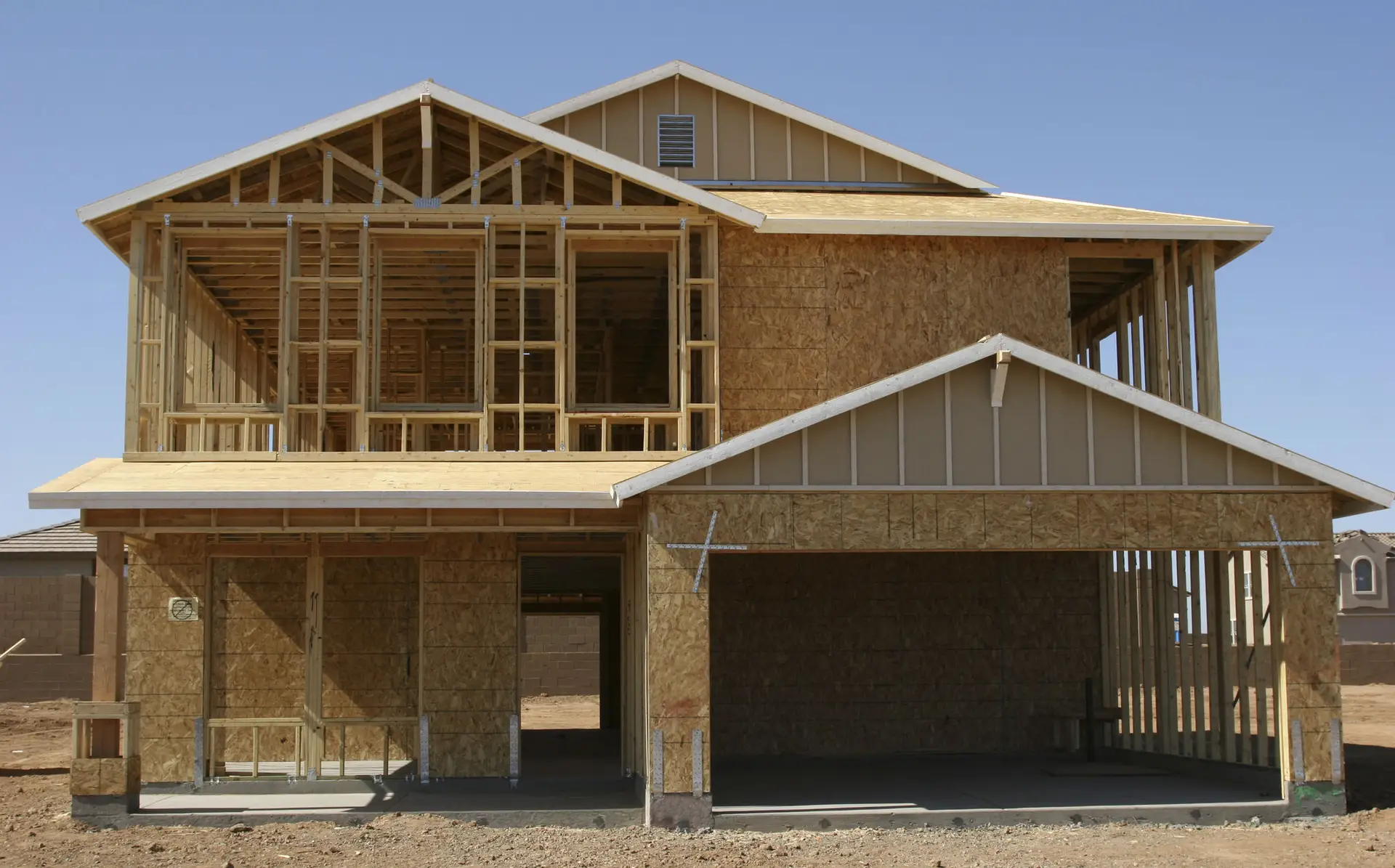
Successful projects rely on orderly draws and qualified contractors. Lenders review licenses, insurance, and experience, then release funds after inspections. Mike Wright helps organize contractor packages, creates a realistic draw schedule, and coordinates with the builder and title so funds arrive on time. This structure keeps work moving and protects both budget and quality throughout the project.
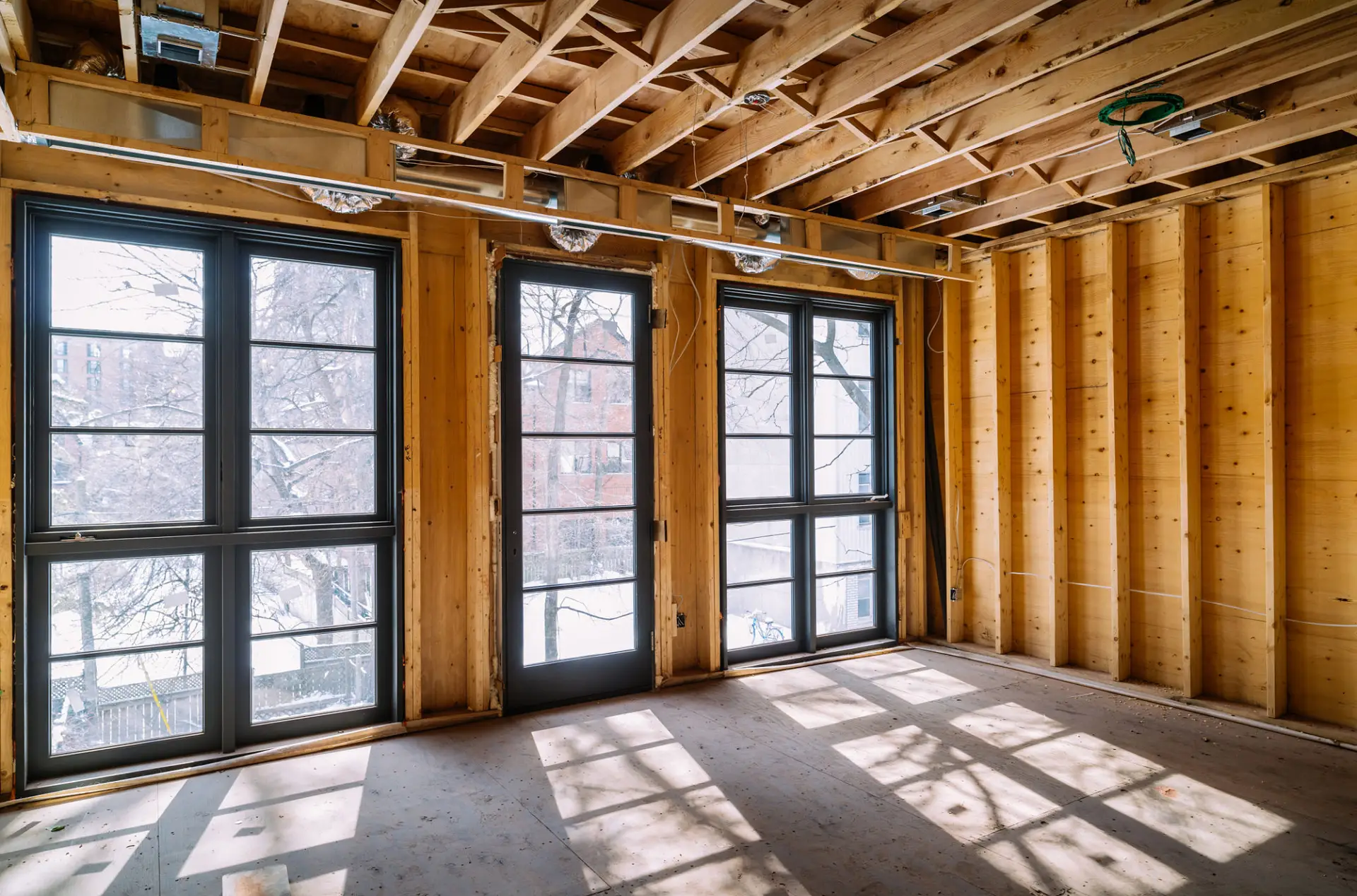
If you already own the property, a renovation refinance can fund significant repairs or upgrades with terms that fit your plan. Mike Wright compares cash out, renovation programs, and home equity options, then models payment and total cost. You will see how each path affects monthly budget, timeline, and long term savings so you can choose the best route for your project.

Permits, inspections, and weather can affect timing and budget. A thoughtful plan includes allowances and contingency. Mike Wright sets expectations early, confirms permit needs with your builder, and keeps communication clear with the lender and title. With defined milestones and regular updates, you maintain momentum from bid selection to final inspection and move in.
You get a guide who understands construction files, contractor review, and draw management. Based in Huntington Beach and serving California as the main location, Mike Wright coordinates appraisals, inspections, and timelines with all parties. Licensed in AZ, CA, FL, ID, TN, and WY, he aligns financing with your plans so your renovation or build finishes on time and on budget.
A financing comparison should cover the work, timing and eventual repayment. Costs during construction or renovation can differ from the completed home's mortgage payment.
The project’s nature matters: new building and work on an existing home use different structures. A renovation program may combine eligible work with a purchase or refinance. Give Mike the scope and property details before comparing products or assuming ordinary purchase financing is sufficient.
Include the approved work, required inspections and fees, contingency and any temporary housing or overlapping payments. The lender determines eligible financed costs. A contractor’s base bid may not cover every expense or the cash required before work begins.
Funds are often released through draws after progress is verified. The contractor’s schedule must fit the lender’s requirements. Ask about inspection timing, who authorizes disbursement and whether funds are available for any requested advance before committing to payments.
Change orders and extra funds may require approval, and an overrun is not automatically added to the loan. Review the contingency and extension terms. Your repayment and temporary-housing budget should remain workable if completion takes longer than the initial estimate.
Review total fees, rate arrangements, further qualification requirements and what is needed at completion. A separate permanent loan can create another approval event. Ask how a changed value or financial position would affect the transition rather than assuming construction approval settles it.
A HELOC or home equity loan usually retains the first mortgage, while cash-out refinancing replaces it. Compare the combined rate exposure, fees and payment schedule with any renovation program. Match the financing to the project’s borrowing needs and the household’s repayment capacity.
Information checked September 6, 2026. Sources: CFPB: Construction loans · HUD: FHA 203(k) program · Fannie Mae: HomeStyle Renovation · CFPB: Construction loan disclosures.